
Think it’s too early to plant? Think again! While your neighbors are still waiting for “safe” planting dates, savvy gardeners are already harvesting their first crops.
The secret most plant experts won’t tell you is that certain vegetables don’t just tolerate cold soil. They absolutely thrive in it.
In fact, some even develop sweeter flavors after experiencing a light frost, turning that early spring chill into nature’s flavor enhancer!
Cold-Weather Garden Superstars That Can’t Wait to Grow
Ready to transform your barren spring garden into a productive paradise weeks before everyone else?
These cold-hardy champions are practically begging to be planted while there’s still a nip in the air.
Did you know that a surprising 85% of these early-season crops actually prefer cool soil for optimal root development? Mother Nature’s little paradox!
1. Spinach: The Frost-Defying Powerhouse
Spinach isn’t just cold-tolerant. It’s practically indestructible in chilly conditions. This leafy green warrior can withstand temperatures down to 20°F (-6°C) while still growing!

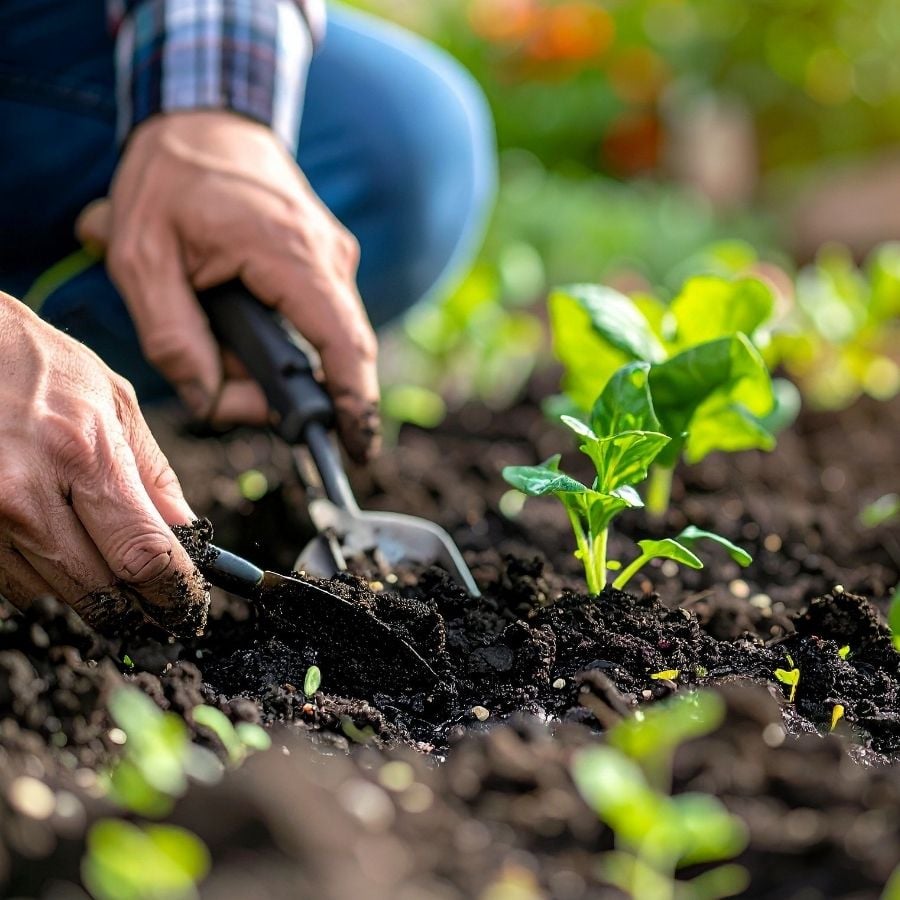
Plant it in early spring, then sit back and watch it flourish while other plants are still cowering under cover.
(Just between us garden friends, spinach planted in cold soil is dramatically less likely to bolt when summer arrives. Game-changer!)
2. Kale: The Vegetable That Turns Frost Into Sweetness
Forget what you’ve heard about kale being tough and bitter. After a light frost, this nutritional powerhouse undergoes a spectacular transformation, converting starches into sugars for a sweeter, more complex flavor profile.
But don’t delay! Plant kale early to avoid watching it struggle as temperatures climb.
3. Carrots: Cold Soil = Sweet Rewards
I was shocked to discover that carrots planted in cold soil develop significantly higher sugar content.
Like tiny underground sugar factories, these root vegetables convert starches to sweetness when temperatures fluctuate between cold nights and cool days.
Plant them 2-3 weeks before your last frost date for the most vibrant flavor.
4. Radishes: The Speed Demons of Cold Soil
Need instant garden gratification? Radishes are your answer. These crisp, peppery gems race from seed to harvest in just 21-28 days in cool conditions.
Most people make this mistake with their radishes: waiting until it’s “warm enough” to plant. By then, you’ve missed their prime growing window!
5. Peas: The Early Bird’s Delight
Peas are the marathon runners of the spring garden. They need a long, cool growing season to reach their sweet, tender potential.
Plant them as soon as the soil can be worked, even if snow is still in the forecast! Their ability to fix nitrogen makes them soil-building champions while they climb.
6. Lettuce: The Tender-but-Tough Salad Star
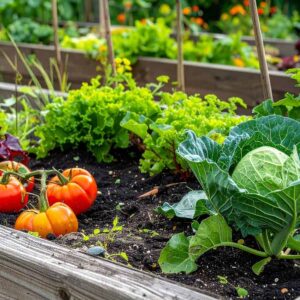
While not quite as hardy as kale or spinach, lettuce thrives in the cool, gentle days of early spring.
The difference between amateur and pro plant parents is simply knowing when to offer protection; a simple row cover on frosty nights transforms your lettuce patch from vulnerable to victorious.
7. Beets: Underground Sweet Treats
Your beets are trying to tell you something important: “We’re sweeter when we grow slowly in cool soil!”
These jewel-toned roots develop their richest flavor and color when given time to mature in spring’s moderate temperatures. Plus, you get two harvests, the nutritious greens and the sweet roots below.
8. Broccoli: The Cold-Loving Cruciferous King
Broccoli doesn’t just tolerate frost. It laughs in its face! This nutritional powerhouse can withstand temperatures as low as 26°F (-3°C) while continuing to develop those tight, flavor-packed heads.
Plant it early, and you’ll be harvesting while others are just planting seeds.
9. Onions: The Underrated Early Starter
The game-changer for your onion harvest isn’t what you think. While not as frost-hardy as kale or spinach, onions actually need those lengthening spring days to trigger bulb formation.
Plant them in early to mid-spring and they’ll establish strong roots while temperatures are cool, setting you up for bulb-forming success when summer arrives.
Why These Cold-Lovers Outperform Summer Crops
These cold-hardy vegetables aren’t just surviving early planting; they’re thriving. They’re thriving because of it! Like Olympic athletes who train in challenging conditions, these plants have evolved to excel when the mercury drops.
Their cell structures contain higher concentrations of dissolved sugars that act like natural antifreeze, protecting them from frost damage.

But here’s the breakthrough insight: by planting early, you’re also:
- Dodging summer pests that haven’t emerged yet
- Maximizing production in your garden space (harvest these, then plant warm-season crops)
- Taking advantage of spring rainfall, reducing your need to water
- Harvesting weeks earlier than gardeners who wait for “safe” planting dates
Your Early Spring Planting Action Plan
Ready to rescue your garden from springtime emptiness? Here’s your frost-to-feast strategy:
- Start now: don’t wait for the “perfect” conditions
- Plant in succession: sow small batches every 1-2 weeks for continuous harvests
- Keep row covers handy for unexpected temperature drops
- Water in the morning so plants aren’t wet during potentially frosty nights
Remember, your garden should be productive nearly year-round! As one cold-weather crop expert told me, “Empty garden space is just potential waiting to be fulfilled.”
These early spring vegetables are your ticket to a garden that’s lush and productive weeks before your neighbors even break out their trowels.
So grab your garden gloves and get planting! Your cold-weather crops are ready to transform that chilly spring soil into a vibrant harvest that will make your summer gardening friends green with envy.